
Igniters and flame sensors
The most common no-heat call. A cracked hot surface igniter or a dirty flame sensor stops the burners from lighting or staying lit.
PNW
Spokane Heating & Air
When the furnace quits on a January night, you need someone who answers the phone, shows up and fixes it right. Our local crew repairs gas and electric furnaces of every make across Spokane, Spokane Valley and Mead, with the price explained before any work starts.
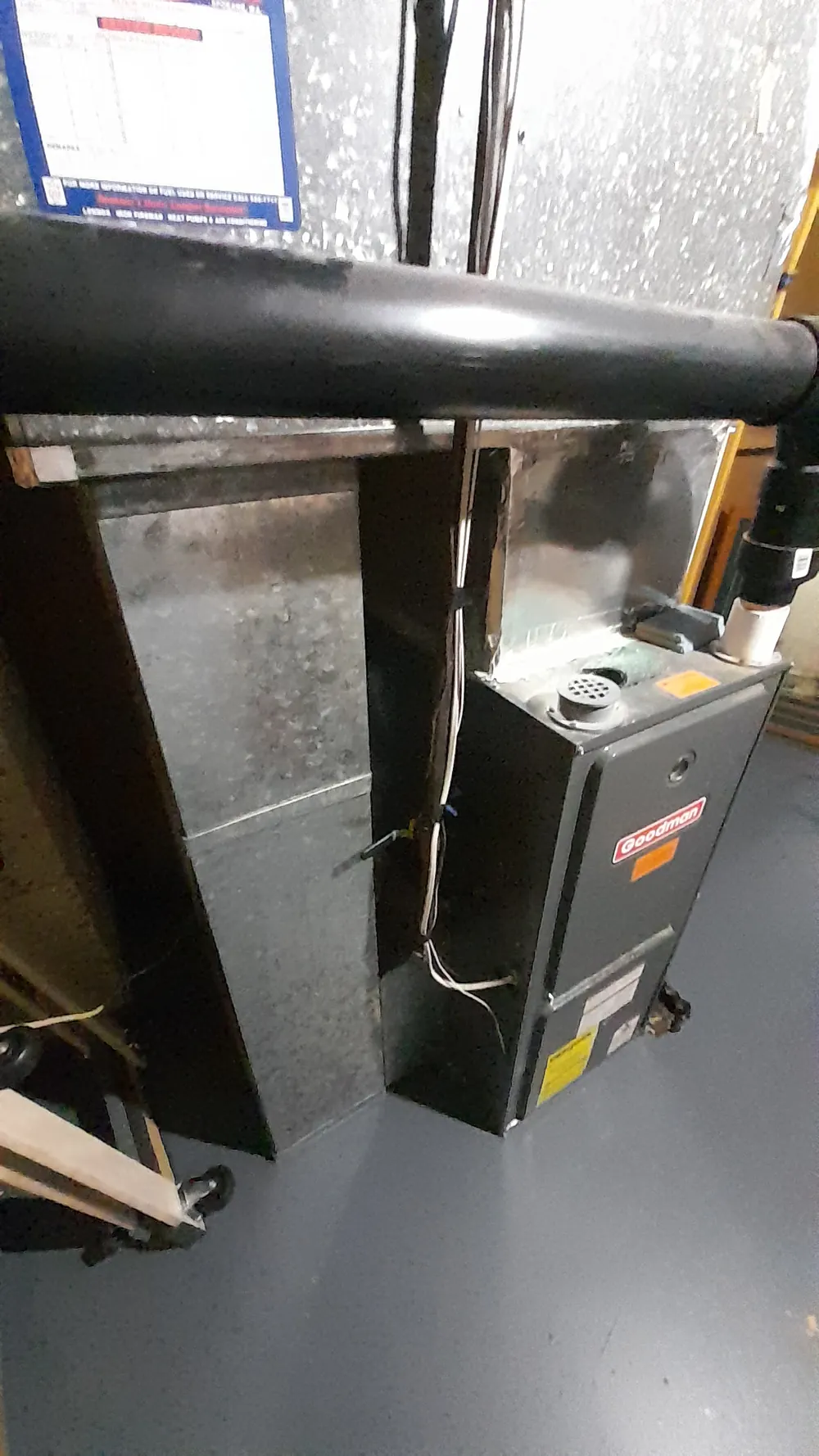
Furnace repair near you
Spokane furnaces work hard. Between November and March, a typical system here runs for hours every day, and a single worn part can leave a family without heat overnight. That's why we built our furnace service around three things: getting to you quickly, finding the real cause, and telling you the price in plain numbers before we pick up a tool.
Our technicians repair natural gas, propane and electric furnaces, including high-efficiency condensing models. We carry the most common parts on the truck, so many repairs are finished during the first visit. If a part has to be ordered, we tell you how long it will take and, when it's safe to do so, get you some heat in the meantime.
Every visit starts with a full diagnostic, not a guess. We check the ignition sequence, burners, flame sensor, blower, filter, venting and safety controls, then measure temperature rise and airflow so we can confirm the fix actually worked. You get a clear explanation of what failed and why, along with honest advice on whether that problem is likely to come back.
A furnace burns fuel inside your home, so we never skip the safety checks. We inspect the heat exchanger for cracks, test the venting and check for carbon monoxide at the appliance. If we find something unsafe, we show you exactly what we found and explain your options. We will never pressure you into a new system, but we also won't leave a dangerous furnace running.
Warning signs
Furnaces usually give a warning before they fail completely. Catching these early often turns an emergency into a simple, lower-cost repair.
What we fix
These are the problems we see most often in Spokane-area homes. Most are fixed in a single visit.
The most common no-heat call. A cracked hot surface igniter or a dirty flame sensor stops the burners from lighting or staying lit.
If the burners light but little air comes out, the blower motor, capacitor or belt is usually the cause. We test each part before replacing anything.
These safety parts confirm the furnace is venting properly. When one fails, the furnace locks itself out to protect you.
Error codes, erratic cycling and furnaces that do nothing at all often trace back to a control board or a loose connection.
We diagnose and replace gas valves, limit switches and rollout switches, the parts that keep your furnace from overheating.
Sometimes the furnace is fine and the thermostat isn't. We check the controls first so you never pay for a repair you didn't need. Thermostat service
How it works
A simple, predictable process, so you always know what's happening and what it will cost.
Tell us what the furnace is doing. We'll set a time that works, including emergency visits.
Your technician tests the whole system and finds the actual cause, not just the symptom.
You see the repair cost upfront and decide. No surprise charges added at the end.
We make the repair, test a full heating cycle and clean up before we leave.
Repair or replace?
Most furnaces last 15 to 20 years. If yours is near that age and needing frequent repairs, putting that money toward a new, more efficient furnace often makes more sense. We lay out both options side by side, and if a repair is the smarter move, we'll say so.
Prevent the next breakdown
Most of the emergency calls we take in winter could have been caught during a routine tune-up. A yearly check keeps your furnace running efficiently, extends its life and helps protect your manufacturer warranty.
The best time to book is September or October, before the first real cold snap and before schedules fill up. See our maintenance plans.
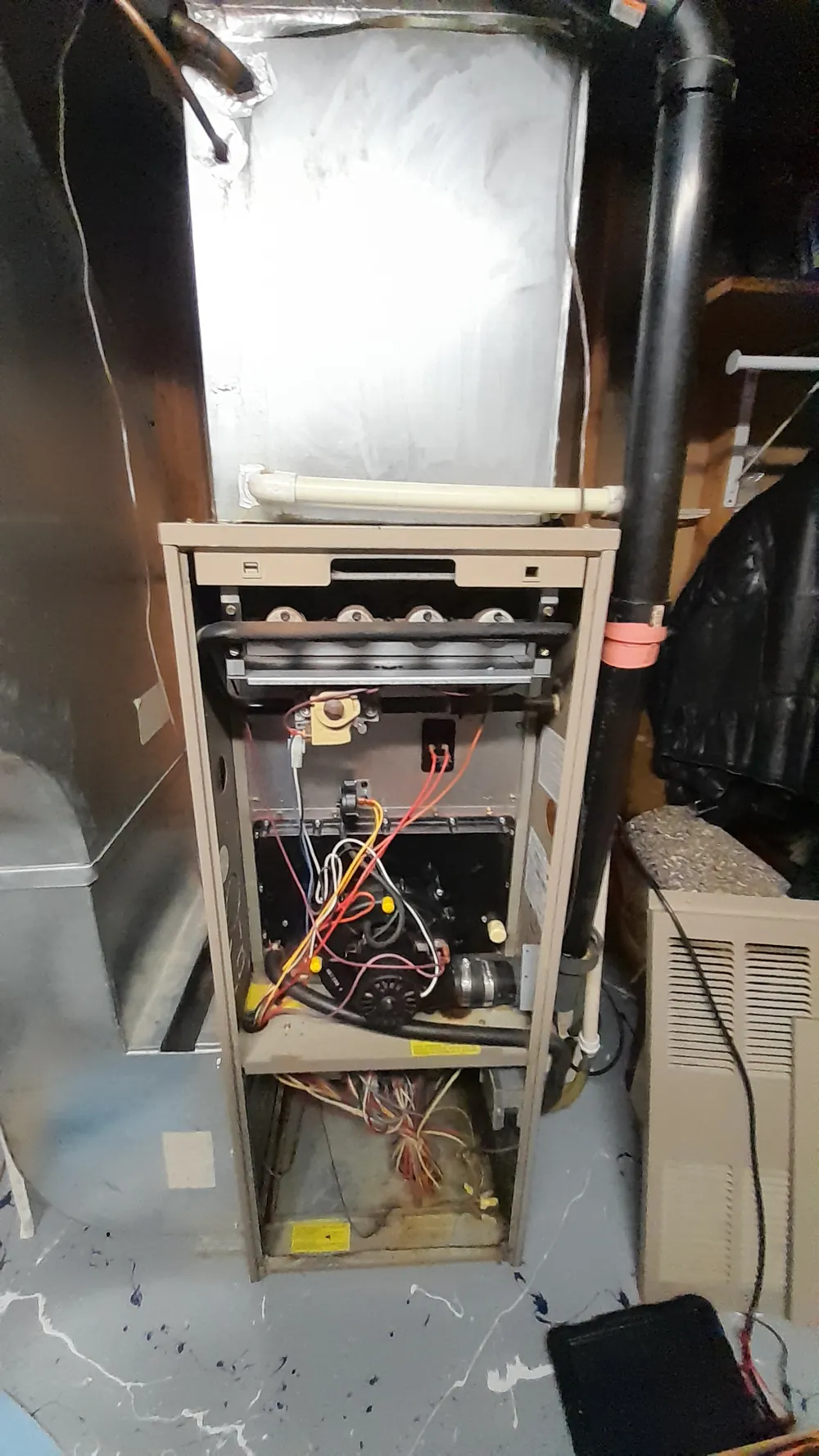
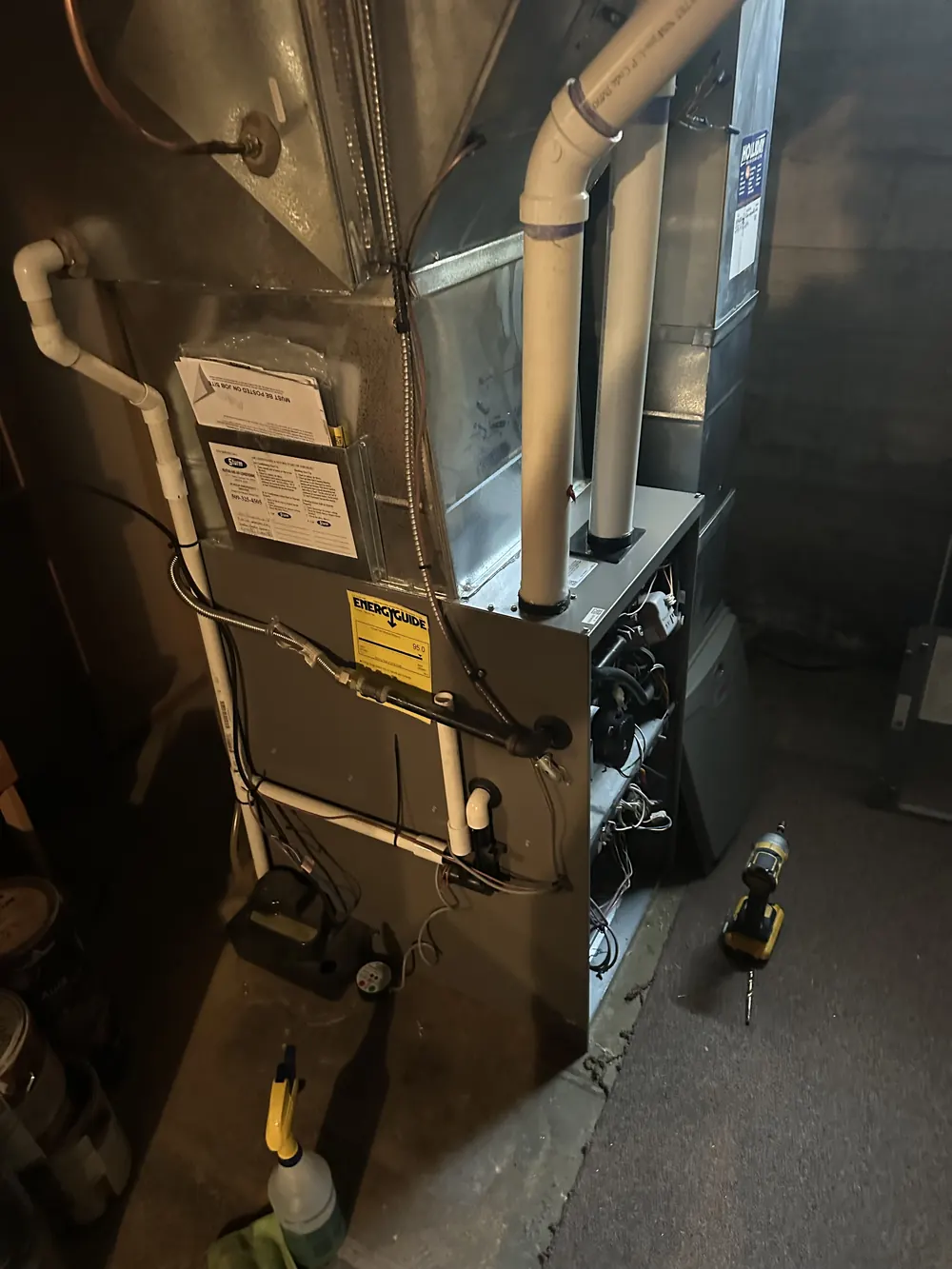
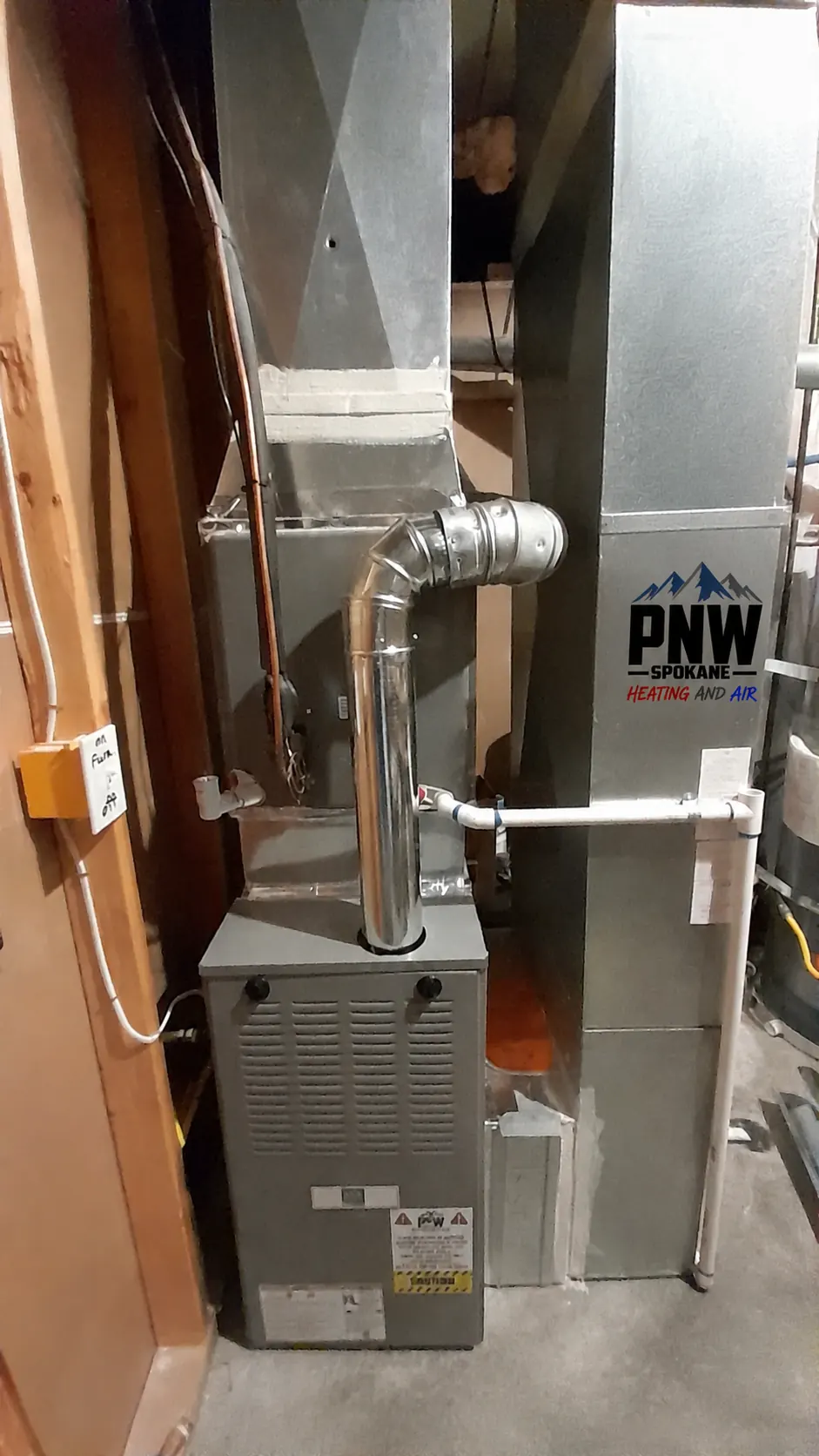
Our work
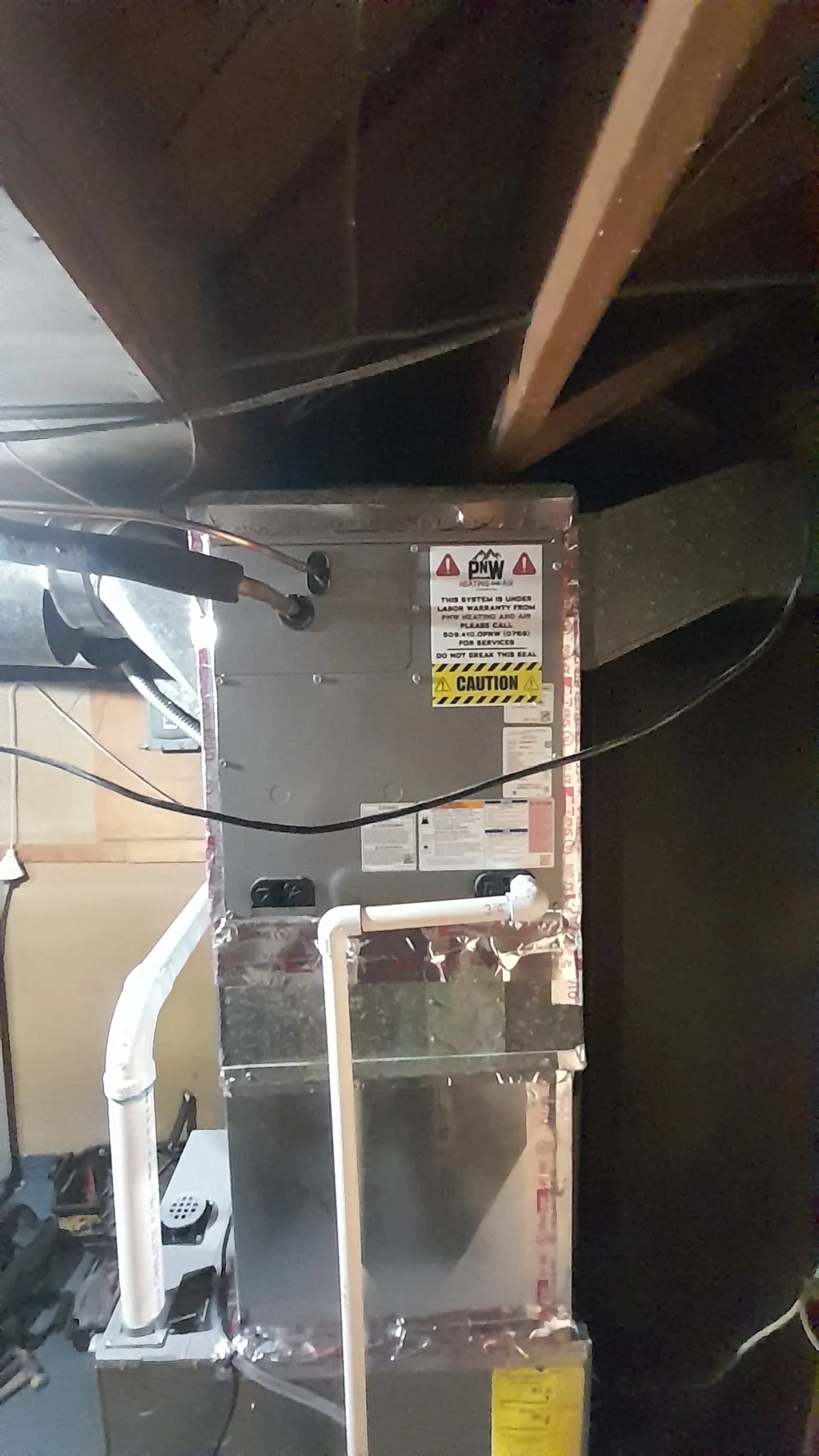
No stock photos. These are our own jobs.

Furnace repair FAQ

Have a question that isn't here? Call (509) 410-0769 and ask a real person.
We offer 24/7 emergency service, and most repair calls are scheduled the same day or the next morning. When temperatures drop and the phones get busy, we prioritize homes with no heat, especially those with young children, elderly family members or medical needs.
It depends on what failed. Simple fixes like cleaning a flame sensor cost far less than replacing a blower motor or control board. That's why we diagnose first and give you a firm price before any work begins, so you can decide with the real number in front of you.
The most common causes are a failed igniter or dirty flame sensor, a clogged filter causing the furnace to overheat and shut down, a thermostat set to Fan On instead of Auto, or a problem with the gas supply. Check the thermostat and filter first. If that doesn't fix it, give us a call.
Yes. We service and repair all major furnace brands, including Lennox, Bosch, Carrier, Trane, Goodman, Rheem, York and more, whether the furnace runs on natural gas, propane or electricity.
Some noises are harmless, but loud bangs at startup, grinding or screeching can point to delayed ignition or a failing motor. If the noise is new and loud, or you smell gas or burning, turn the furnace off and call us. If you smell gas, leave the house and call your gas utility first.
Once a year, ideally in early fall. A yearly tune-up keeps the furnace efficient, catches worn parts before they fail and is often required to keep the manufacturer's warranty valid.
Consider replacement if your furnace is 15 years or older, needs frequent repairs, has a cracked heat exchanger or your energy bills keep climbing. A good rule of thumb: if a repair costs more than half the price of a new furnace, replacement usually makes more sense. We'll give you honest numbers for both.
Related services
Furnace repair across Spokane County, from our shop in Mead.

Book service
Tell us what your furnace is doing and we'll get a technician scheduled. If your house is getting cold right now, call and we'll talk you through it.