Winter in the Mead and Spokane area arrives suddenly, and the furnace that sat idle all summer gets its first real test on the coldest night of the year. A short preparation routine in early fall, a tune-up, a filter, thermostat and safety checks, turns that test into a formality. This guide is the routine: what to check, what a technician checks, and the signs of frozen pipes to know before they burst. If your furnace has already failed and the house has no heat, call (509) 410-0769 for 24/7 emergency service instead of working through a checklist.
How Do I Prepare My Heating for Winter?
Book a tune-up in early fall, replace the filter, test the thermostat and its batteries, open every vent, confirm the carbon monoxide alarms work, and clear the outdoor vent pipes. That is the whole routine, and it takes one scheduled visit plus twenty minutes of homeowner checks. The sections below give each step in detail.
The Winter Prep Checklist
1. Book the Fall Tune-Up
The tune-up covers ignition, burners, flame sensor, blower, heat exchanger, safety controls, venting, and gas and carbon monoxide checks. Early fall booking means open appointments and faults found while they are cheap to fix.
2. Replace the Filter
Start the season with a clean filter, then check it monthly. A filter that clogs mid-winter trips the safety limit and shuts the furnace down on the coldest night: the cheapest breakdown in heating is the one a filter causes.
3. Thermostat and Batteries
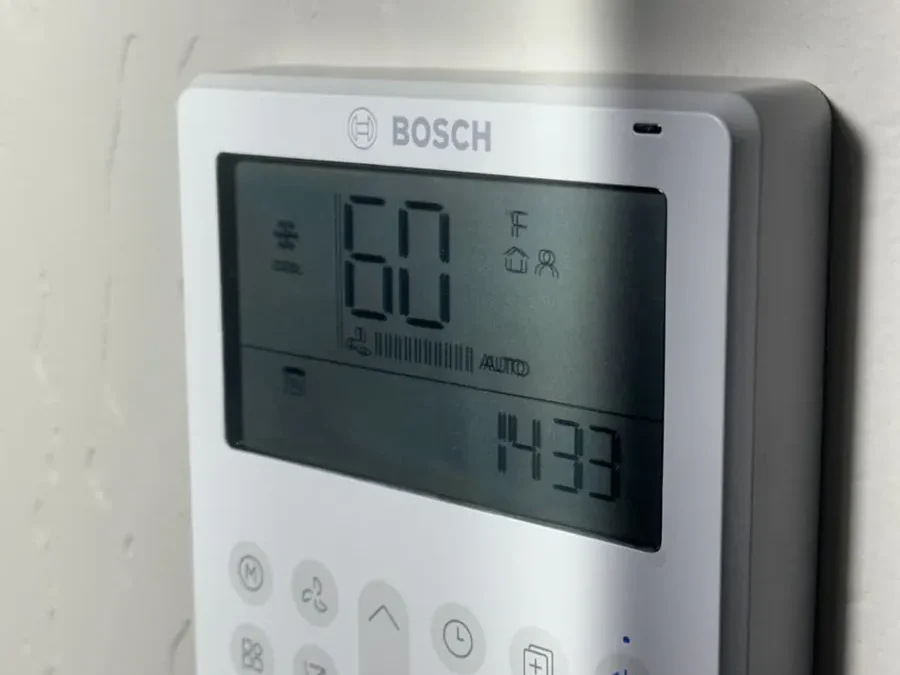
Test the thermostat before the cold: set it to Heat, raise the setpoint, and confirm the furnace answers. Replace the batteries, and set the heating schedule for the season while you are at it.
4. Vents and Return Grilles
Open every supply register and clear return grilles of furniture, rugs, and curtains. Closed or blocked vents raise pressure in the ductwork and trip the furnace’s safety controls.
5. Outdoor Vent Pipes
High-efficiency furnaces vent through PVC pipes on an outside wall. Check them for leaves, nests, and damage now, and keep an eye out for snow and ice blocking them once winter starts: a blocked vent shuts the furnace down.
6. Carbon Monoxide Alarms
Test every alarm with its test button, replace batteries, and replace any alarm past its printed expiry. Carbon monoxide has no smell or color: working alarms are the only warning, and winter is when they matter most.
7. Pipes and the Water Shut-Off
Know where the main water shut-off is before winter, and insulate exposed pipes in crawlspaces and garages. If a pipe bursts, shutting the water off fast limits the damage while you call a plumber: burst pipes are a plumber’s job, and heating is ours, so call the right trade first.
Winter heating prep is a short job done once, in early fall, and it pays for itself the first time a cold snap arrives and the furnace simply works. Put it on the calendar every September and winter stays uneventful.
Frozen Pipes: Know the Signs Early
The signs are reduced water flow or a trickle from a tap, frost visible on an exposed pipe, and an odd smell from a tap when a pipe is blocked. If flow drops in a cold snap, keep the affected tap open slightly, warm the area around the pipe gently, and call a plumber if the pipe is frozen or burst: never use an open flame on a pipe. Keeping the house heated is itself the best pipe protection, which is why the furnace checklist above comes first.
Why Mead Winters Punish Unprepared Furnaces
Mead and Spokane cold snaps are sharp: temperatures fall fast, stay low for days, and expose every weak point at once, filters, ignition, airflow, venting. A furnace that limped through a mild autumn fails on the first hard freeze. Fall preparation is not optional here: it is the difference between a warm house and an emergency call.
How PNW Heating and Air Can Help
PNW Heating and Air runs winter-prep tune-ups across Mead, Spokane, and the surrounding area, reports what was found, and quotes any extra work before it starts. Our heating services cover repair, replacement, and maintenance, with 24/7 emergency service. Call (509) 410-0769 or request a free estimate through our contact page.
Frequently Asked Questions About Winter Heating Prep
When should winter prep start?
Early fall: September and October in the Spokane area, before the first sustained cold weather and before booking fills up.
How often does the furnace need a tune-up?
Once a year, in early fall, with monthly filter checks between visits. A furnace that missed its visit should be booked now, not next fall.
What thermostat setting should I use while away?
Keep some heat on while away: a house left to go cold risks frozen pipes as well as a cold return. Ask your technician for a safe minimum setting for your home rather than guessing.
What do I do if a pipe freezes?
Keep the tap open slightly, warm the area gently, never use an open flame, and call a plumber if the pipe stays frozen or bursts. Shut the main water off fast if a pipe bursts.
Do I need to do anything to the outdoor vents in winter?
Yes: check the PVC vent pipes for snow and ice after storms. A blocked vent shuts a high-efficiency furnace down, and clearing it gently from outside restores it.
One fall visit and twenty minutes of checks: that is winter prep. Book it before the cold: request a free estimate through our contact page, or explore our heating services and furnace service in Mead, WA.