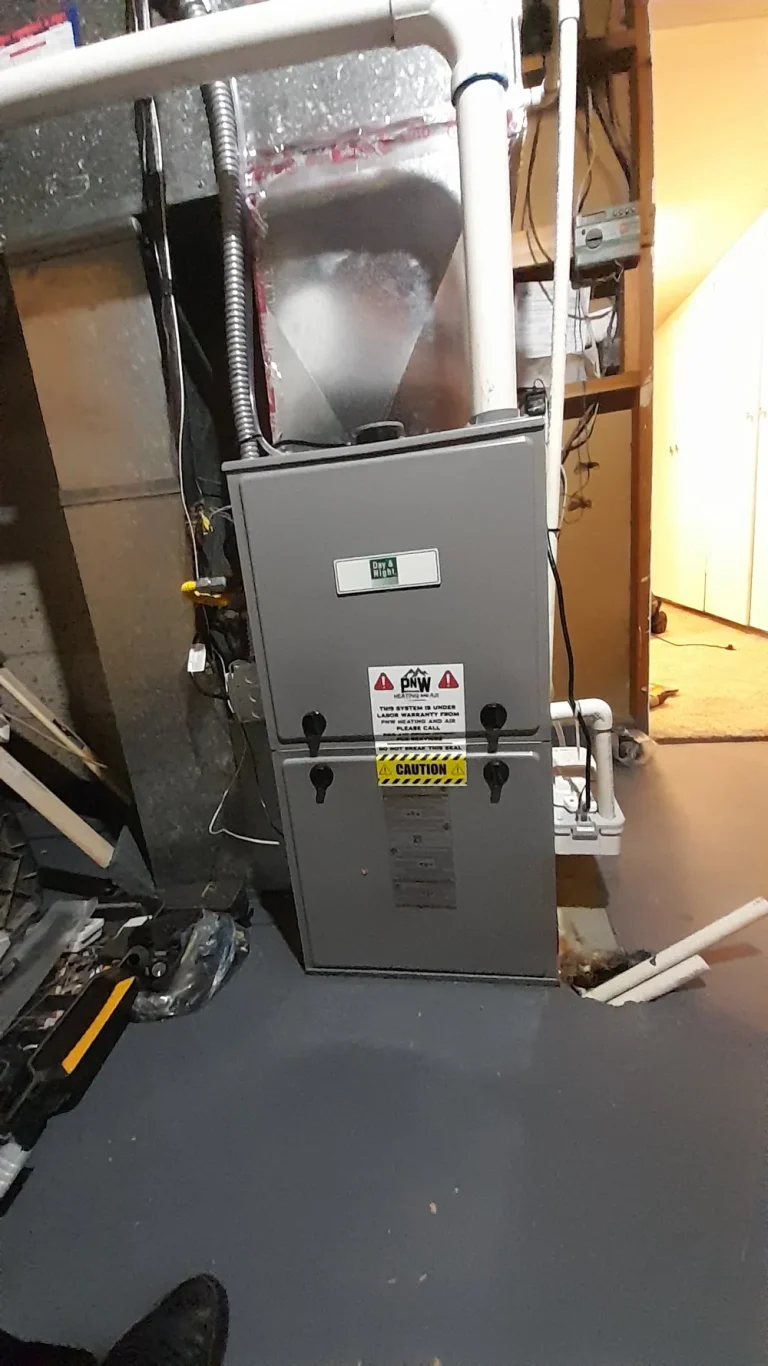
A furnace that starts, runs for a few minutes, and stops, then starts again, is short cycling: it never completes a full heating cycle, so rooms never reach the thermostat setting and the system wears itself out with constant starting. Short cycling wastes energy, strains motors and ignition parts, and usually has a simple cause underneath it: restricted airflow, a faulty sensor, or a control problem. This guide explains what short cycling is, the six causes behind it, and the checks that are safe to try. If you smell gas or your carbon monoxide alarm sounds, leave the house and call from outside instead of troubleshooting.
What Is Furnace Short Cycling?
Short cycling is when the furnace runs in short bursts instead of a full cycle: the burners light, the blower runs briefly, and the system shuts down before the house reaches the set temperature, then repeats. A healthy furnace runs long enough to bring the room to the setpoint and then rests. A short-cycling furnace never gets there, so it starts far more often than it should, which wears ignition parts, motors, and controls.
6 Causes of Short Cycling
1. Dirty Filter and Restricted Airflow
A clogged filter starves the furnace of air, the heat exchanger overheats, and the high-limit switch shuts the burners off early. Hold the filter to a light: if you cannot see light through it, replace it. This is the most common cause and the first check.
2. Oversized Furnace
A furnace too large for the home reaches the setpoint too fast, shuts off, cools, and starts again in rapid succession. Oversizing is a sizing error from installation, confirmed by a load calculation: it cannot be fixed with settings, and it needs a technician’s assessment.
3. Thermostat Location or Fault
A thermostat in direct sunlight, near a heat source, or above a register reads the room wrong and ends cycles early. A faulty thermostat does the same. Check the thermostat’s position, replace its batteries, and confirm it is set to Heat with the fan on Auto.
4. Flame Sensor Fouling
A dirty flame sensor cannot prove the flame is lit, so the gas valve closes seconds after ignition and the cycle restarts. Cleaning or replacing the sensor is technician work inside the burner compartment.
5. Blocked Vents or Flue
Closed registers, blocked return grilles, or a blocked flue restrict air or exhaust, trip safety controls, and cut cycles short. Open every register, clear return grilles, and check outdoor vent pipes for snow, leaves, or nests.
6. Control Board Fault
A failing control board misreads sensors or mishandles the heating sequence, ending cycles early for no visible reason. Control faults are diagnosed with meters on site: replacing boards by guess wastes money.
Furnace short cycling is the furnace telling you something is wrong with airflow, sensing, or controls, and the longer it runs that way, the more wear it collects. The filter and vent checks above are safe to try today; anything inside the cabinet needs a technician.
Why Short Cycling Matters
Every start is the hardest moment for ignition parts and motors, so a furnace that starts ten times an hour wears years off its components. It also heats unevenly, because no cycle runs long enough to push warm air through the whole house, and it wastes fuel on repeated startups. Left alone, short cycling turns a sensor or filter fault into a motor or control failure.
What to Check, and When to Call
Check the filter, vents, thermostat setting and batteries, and outdoor vent pipes. If short cycling continues after those checks, or the furnace locks out, call a technician and report the pattern: how long each run lasts, how often it starts, and any error code blinking on the unit. Never bypass a safety switch to force longer cycles.
How PNW Heating and Air Can Help
PNW Heating and Air diagnoses short cycling across the Spokane area, from filters and thermostats to sensors and control boards, with the failed part named and the total in writing. Our heating services cover repair, replacement, and maintenance, with 24/7 emergency service. Call (509) 410-0769 or request a free estimate through our contact page.
Frequently Asked Questions About Furnace Short Cycling
Is short cycling dangerous?
It can be: overheating and combustion faults hide behind the pattern, and a furnace that keeps shutting down on safety limits is protecting itself for a reason. A gas smell or a carbon monoxide alarm with short cycling means leaving the house and calling from outside.
How long should a heating cycle last?
There is no single number: a healthy cycle runs long enough to bring the room to the setpoint and then rests. The pattern matters more than the minutes: repeated starts that never reach the setpoint are short cycling, whatever the clock says.
Can the thermostat cause short cycling?
Yes. A thermostat in sunlight, near a heat source, or above a register reads wrong and ends cycles early, and a faulty thermostat does the same. Position, batteries, and settings are the checks to try first.
Will a new filter fix short cycling?
Often, when a clogged filter is the cause: restricted airflow overheats the furnace and trips the limit switch. If the pattern continues with a clean filter and open vents, the cause is deeper and needs diagnosis.
Repair or replace for a short-cycling furnace?
Diagnosis first. Sensor, filter, thermostat, and vent causes are repairs. An oversized furnace or a failing control board needs an assessment that weighs repair against replacement, with both options in writing.
Short cycling is a symptom with a short list of causes, and the safe checks above cover the first ones. If yours continues, get a diagnosis before the wear spreads: request a free estimate through our contact page, or explore our heating services and furnace service in Mead, WA.