Your furnace runs half the year and your AC takes the heat all summer. A yearly tune-up from our Mead crew catches the small stuff before it turns into a no-heat night or a broken AC in the middle of July.
Fall furnace tune-upsSpring AC tune-upsUpfront pricing
Every fallFurnace and boiler checks
Every springAC and heat pump checks
All major brandsFurnaces, AC, heat pumps, mini splits
WA Lic# PNWSPSH772R2ID Lic# 9971068, licensed and insured
Why it matters here
Spokane is hard on heating and cooling equipment
Not many places ask a home system to do what ours does. Winter nights average in the mid 20s and the furnace runs for months with few breaks. Then summer arrives, July highs sit around 85°F, and the 2021 heat dome pushed Spokane to 109°F. On top of that, wildfire smoke rolls in most Augusts and Septembers and clogs filters in a matter of weeks.
All that running wears on motors, igniters, capacitors and electrical connections. Dust builds on burners and coils. Drain lines slowly clog. None of it is dramatic on its own, but it adds up, and it tends to show itself on the coldest or hottest day of the year when everyone else is calling for help too.
A tune-up is a scheduled visit where a technician cleans, tests and adjusts your equipment while it's still working. You get a system that runs more efficiently, lasts longer and is far less likely to leave you stuck. Many manufacturers also expect yearly maintenance to keep their warranty in good standing, so it's worth keeping your records.
What we check
Two tune-ups, two different jobs
Your furnace and your air conditioner wear out in different ways, so each visit focuses on different parts. Here's what your technician goes through.
Fall furnace tune-up
Best done in September or October, before the first cold snap.
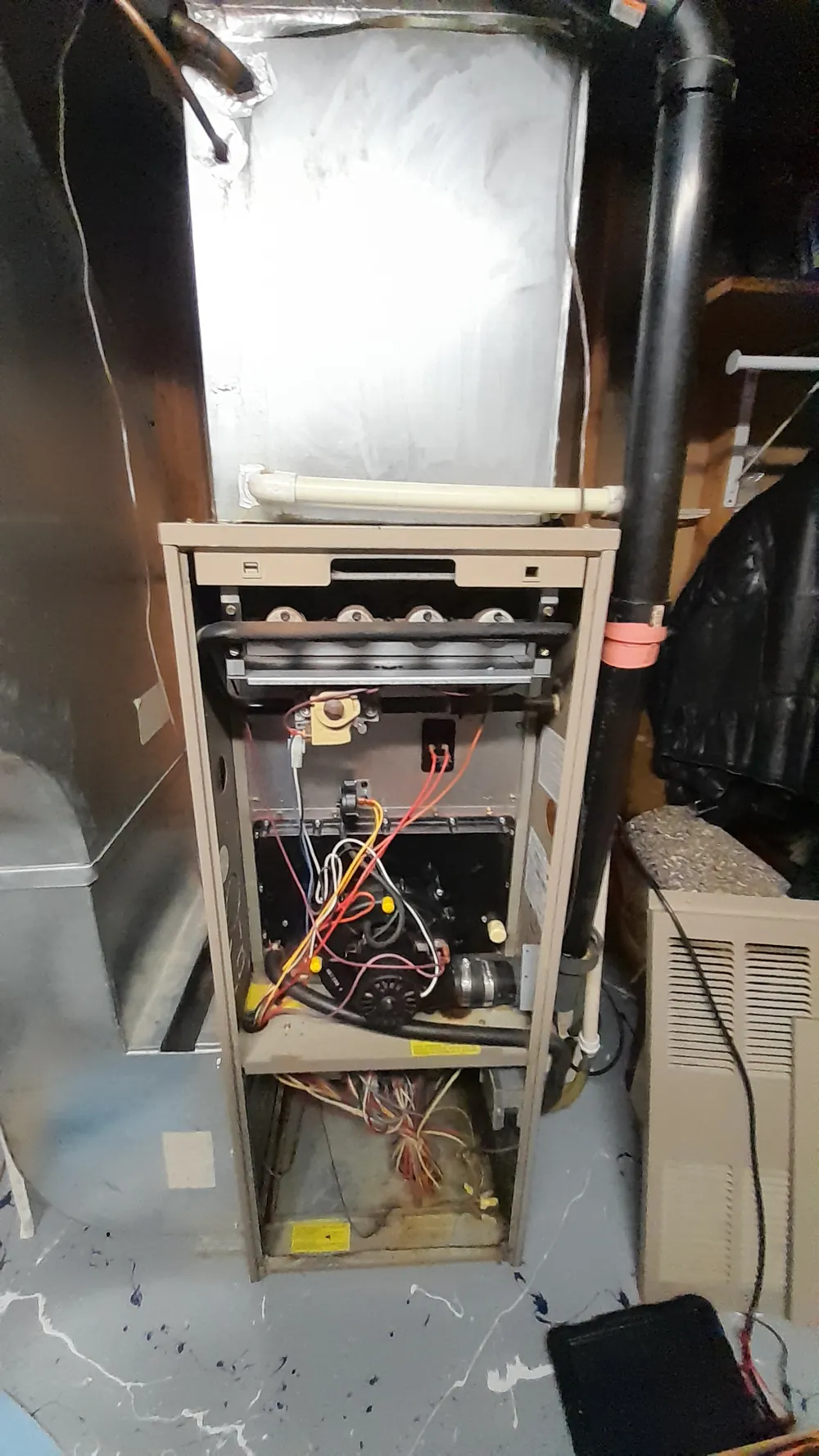
Test for carbon monoxide and look over the heat exchanger
Clean the burners and the flame sensor
Check the igniter and gas pressure
Test high limit and rollout safety switches
Inspect the flue or PVC vent and the condensate drain
Check the blower, capacitor and electrical connections
Measure temperature rise and check the filter
Run a full heating cycle and check the thermostat
Spring AC tune-up
Best done in April or May, before the first 90°F day.
Rinse the outdoor coil and clear debris from the fins
Check refrigerant pressures and temperatures
Test the capacitor, contactor and fan motor
Tighten electrical connections and check the disconnect
Flush and clear the condensate drain line
Check the indoor coil and the blower
Measure the temperature drop across the coil
Check the filter and the thermostat in cooling mode
Year-round systems
Heat pumps and mini splits work twice as hard
A furnace rests all summer and an AC rests all winter. A heat pump or mini split runs in both seasons, so it benefits from a visit in spring and again in fall.
Heat pumps
We check refrigerant charge, the reversing valve that switches between heating and cooling, the defrost cycle, and any backup heat strips. Defrost matters a lot in a Spokane winter. Heat pumps
Ductless mini splits
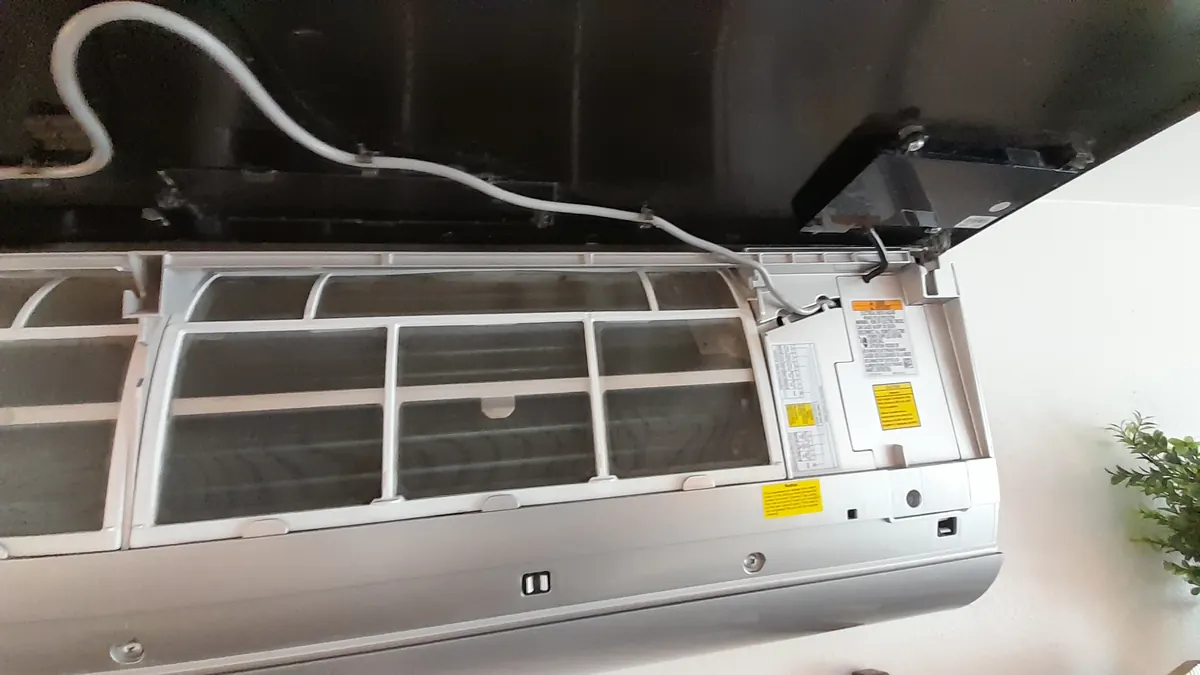
The indoor heads collect dust on their filters and blower wheel, which can cause smells and weak airflow. We clean the heads, clear the drain and check the outdoor unit. Mini splits
Boilers and radiant
Hot water systems need a yearly look at pressure, pumps, zone valves, venting and the burner. We fit it into the same fall schedule as furnaces. Boilers and radiant
Maintenance calendar
The right time for each job in Spokane
Book in the shoulder seasons. Schedules are easier to get, and any problem we find can be fixed before you really need the equipment.
March to May
AC and heat pump tune-up. Clean the outdoor coil after winter and confirm cooling works before it's hot.
June to July
Check the filter and clear cottonwood fluff and grass clippings away from the outdoor unit.
August to September
Smoke season. Check the filter often and change it as soon as it looks gray.
September to October
Furnace, boiler and heat pump heating tune-up, plus a fresh filter before winter.
Why bother?
A tune-up costs less than the call it prevents
A lot of the no-heat calls we get in December start with something a fall visit would have spotted: a cracked igniter, a weak capacitor, a dirty flame sensor or a clogged drain. Catching those on a mild afternoon is simpler and cheaper than an emergency visit on a freezing night, and your equipment is more likely to reach the full lifespan you paid for.
You don't need tools or training for most of this. A few minutes a month keeps your system breathing and helps your tune-up go further.
Change the filter every 1 to 3 months, and more often with pets, during smoke season or while there's construction dust in the house.
Keep 2 feet clear around the outdoor unit. Trim shrubs and don't stack firewood or bins against it.
Brush off cottonwood fluff in early summer. It mats on the coil like felt and chokes airflow.
Keep snow off the heat pump and away from furnace vent pipes. Never chip ice off the coil with a tool.
Leave vents and returns open. Closing lots of registers can strain the blower and freeze an AC coil.
Test CO and smoke detectors when the clocks change, and swap batteries once a year.
Rinse mini split filters every few weeks when the system is running hard. They slide out of the indoor head.
Watch for water around the furnace or indoor unit. A small puddle is often a clogged drain you can catch early.
On the job
Tune-ups and service calls around Spokane
Photos from our own maintenance visits, not a stock library.
Fall furnace inspectionMini split filter cleaningHeat pump service
Tune-up FAQ
Maintenance questions
Not sure when you last had a tune-up? Call (509) 410-0769 and we'll get you on the calendar.
Once a year for each. The furnace in early fall and the air conditioner in spring. If you have a heat pump or mini split that heats and cools, plan on a visit in both seasons.
That's the best time for one. Most parts don't fail suddenly. They weaken slowly, and a technician can measure that before it becomes a breakdown. Working fine today doesn't tell you much about the first 5°F morning.
It can. Many equipment manufacturers expect regular professional maintenance, and some ask for proof if you file a claim. Keep your service records together, and ask us if you're not sure what your equipment's warranty requires.
It depends on the equipment and its condition. We don't rush it, because the point is to test things properly. If we find a problem, we'll explain it and give you the price before doing any repair.
A good pleated filter that fits your system, changed more often while the smoke is here. Some systems can handle a higher rated filter and others lose airflow with one. If smoke is a yearly worry, a whole-home air cleaner is worth a look. Indoor air quality
The plan covers your yearly maintenance visits, and we reach out when it's time so you don't have to remember. Details depend on the equipment you have, so give us a call and we'll explain the options.
Yes. We maintain most major brands of furnaces, air conditioners, heat pumps, boilers and mini splits, no matter who put them in.
Related services
When a tune-up turns up more
Tune-ups across Spokane County, from our shop in Mead.