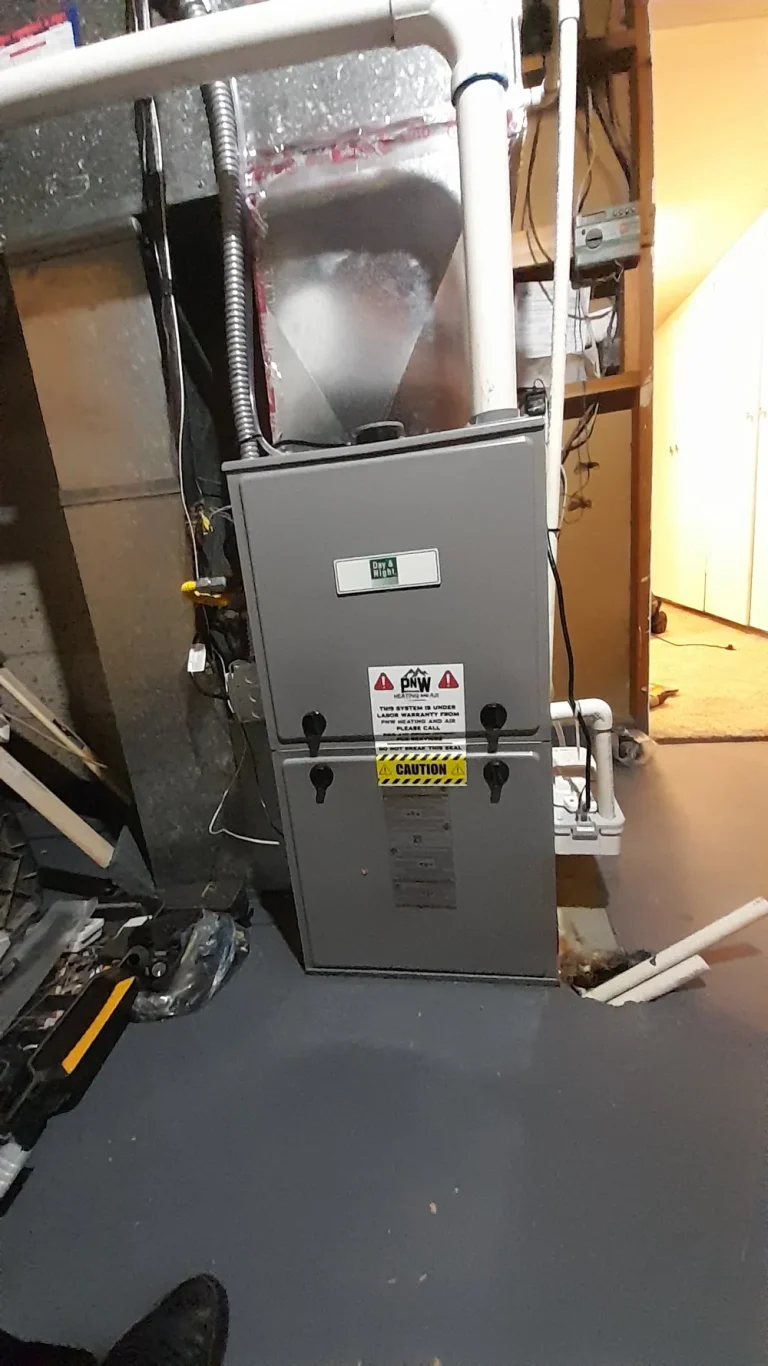
Furnaces talk in noises, and each noise points to a different part: ducts popping as they warm, a panel rattling loose, a blower bearing wearing out, air whistling past a clogged filter. Learning which noise means what tells you whether to tighten a panel, change a filter, or call a technician before a small fault becomes a breakdown. This guide decodes the six common furnace noises, flags the two that need immediate attention, and lists what to note before you call. If a noise comes with a gas smell or a carbon monoxide alarm, leave the house and call from outside: no noise guide overrides a safety alarm.
What Do Furnace Noises Mean?
A noise is a symptom, not a diagnosis: the same rattle can be a loose panel or a failing motor, and the difference is in when it happens, where it comes from, and whether it is getting worse. The six noises below cover what homeowners actually hear, what each one usually means, and the safe response to each.
6 Furnace Noises, Decoded
1. Banging or Popping at Startup
A bang when the burners light can mean delayed ignition: gas builds up before it lights, and the light-off is louder than it should be. Delayed ignition needs a technician promptly: it stresses the heat exchanger and can involve gas. Popping from the ductwork as it warms and expands is different and usually harmless, but a startup bang is not duct noise: note which one you hear.
2. Rattling
Rattling usually means something loose: a cabinet panel, a screw, or a duct joint. Check that the blower door is firmly closed and latched, and note whether the rattle follows the blower speed. A rattle that grows louder or turns into grinding is no longer a loose panel: call a technician.
3. Squealing
A high squeal that rises with the blower usually means a worn belt or a motor bearing running dry. Squealing that appears suddenly and stays is a wear sign: book a visit before the part fails completely, because a seized motor stops the heat entirely.
4. Humming
A faint hum from the furnace is normal electrical and motor sound. A loud or new hum, or a hum with no blower movement, points to a motor or capacitor problem and needs a technician: capacitors hold a charge even with the power off, so never touch motor parts.
5. Whistling
Whistling is air moving where it should not, or struggling where it should: a clogged filter, a closed register, or a duct leak. Check the filter and open every register first. Whistling that survives a clean filter and open vents points to a duct leak that needs inspection.
6. Scraping or Grinding
Scraping or grinding from the blower area means metal on metal: a blower wheel out of position or a bearing that has failed. Turn the thermostat off and call a technician: running a grinding blower destroys the parts around it.
Furnace noises are the system’s way of reporting wear before it becomes failure, and the note you take today is the diagnosis shortcut tomorrow. Write down the noise, when it happens, and whether it is getting worse, and give that note to the technician.
Noises That Need Immediate Attention
A loud bang at startup (delayed ignition), grinding from the blower, and any noise with a gas smell, smoke, or a carbon monoxide alarm need immediate attention: the first two need a prompt technician visit with the furnace off, and the last means leaving the house and calling from outside. Every other noise can be noted and booked as a scheduled visit, but none of them should be ignored for a season.
What to Note Before You Call
Note the noise in plain words, when it happens (startup, during the run, at shutdown), where it seems to come from, whether it is getting worse, and any error code blinking on the furnace. That note turns a vague ‘it makes a noise’ call into a diagnosis that starts before the technician arrives.
How PNW Heating and Air Can Help
PNW Heating and Air traces furnace noises across the Spokane area, from loose panels and filters to blowers, bearings, and ignition faults, with the failed part named and the total in writing. Our heating services cover repair, replacement, and maintenance, with 24/7 emergency service. Call (509) 410-0769 or request a free estimate through our contact page.
Frequently Asked Questions About Furnace Noises
Why does my furnace bang when it starts?
A startup bang can mean delayed ignition, where gas builds before lighting, which needs a technician promptly. Popping from ductwork warming up is different and usually harmless: the difference is whether the bang comes from the furnace at light-off or from the ducts as they expand.
How do I stop my furnace rattling?
Check that the blower door is firmly closed and latched, and look for loose panels or screws on the cabinet. A rattle that persists, grows louder, or turns into grinding needs a technician: it is no longer a loose panel.
What causes whistling from the vents?
Air struggling past a clogged filter, a closed register, or a duct leak. Change the filter and open every register first: whistling that survives both points to a duct leak that needs inspection.
Is humming from the furnace normal?
A faint hum is normal. A loud, new, or growing hum, or a hum with no blower movement, points to a motor or capacitor problem and needs a technician.
When is a furnace noise an emergency?
A loud bang at startup, grinding from the blower, and any noise with a gas smell, smoke, or a carbon monoxide alarm. The first two need the furnace off and a prompt visit; the last means leaving the house and calling from outside.
Noises are early warnings, and the note you take is half the diagnosis. If yours needs a technician, request a free estimate through our contact page, or explore our heating services and furnace service in Mead, WA.